Custom software development
Applications built around a specific operational need, from data models and business rules through to the interfaces people use every day.
Software Development & IT Services
Software engineering & IT services
GARDEN AND TREE SERVICES LIMITED is an IT company focused on custom software development, web applications, cloud infrastructure, systems integration and long-term technical support. We design systems that are understandable, testable and maintainable well after the first release.
Enquiries: meganwashington96@gmail.com · gardenandtreeservices.com
Introduction
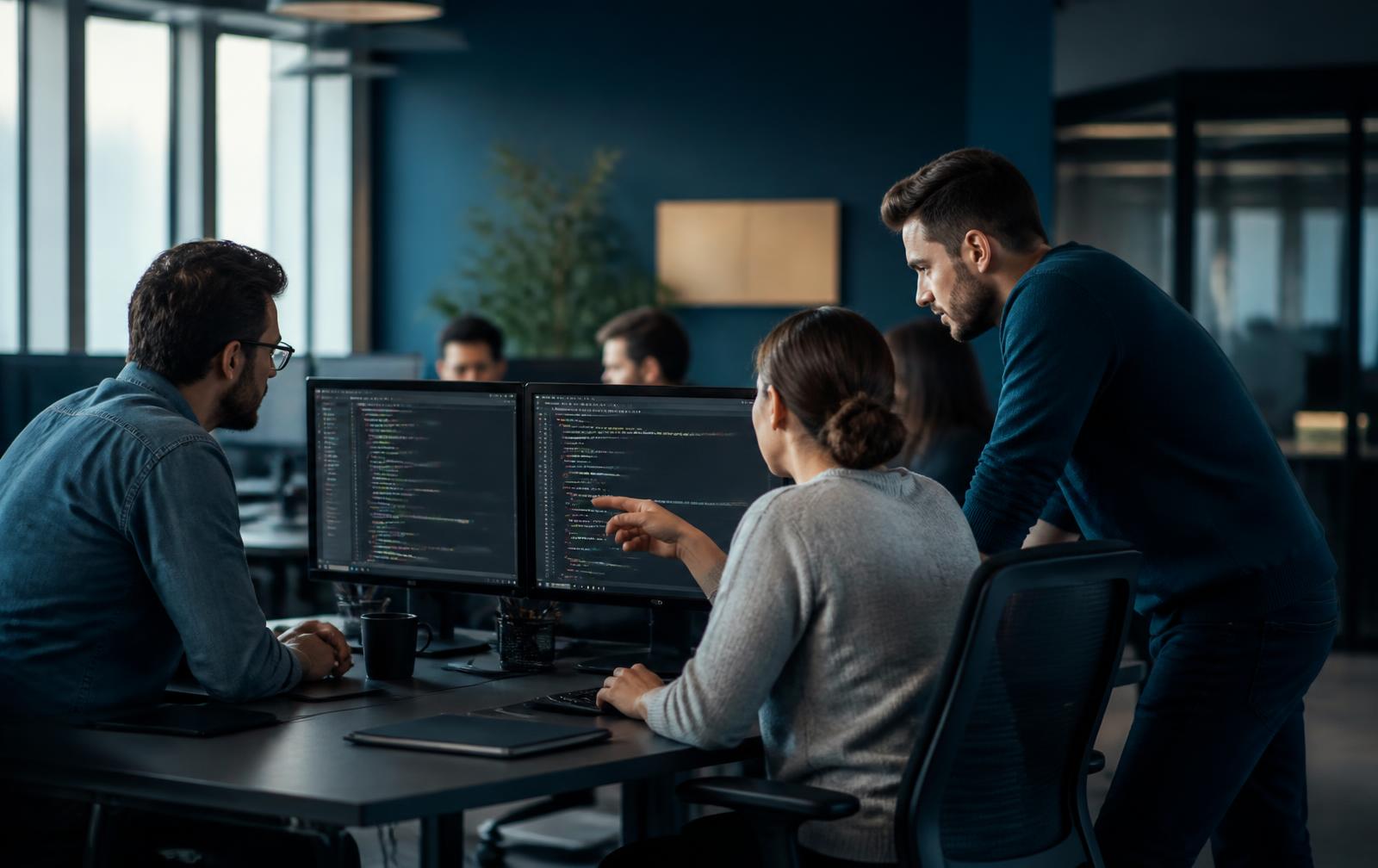
We work with organisations that depend on software to run daily operations. That includes teams replacing spreadsheets and manual handovers with a purpose-built application, teams modernising a web platform that has outgrown its original design, and teams that need existing systems to exchange data reliably.
Our approach is deliberately unglamorous: understand the process first, write down the technical plan, deliver in small verifiable increments, and keep the codebase in a state where the next change is straightforward. We describe what a system does and how it is built, without overstating what technology alone can achieve.
Solutions are shaped by your data, users and constraints rather than a fixed template.
Architecture and scope choices are recorded so future work does not start from guesswork.
Readable code, tests around important behaviour and repeatable deployments.
Service areas
Applications built around a specific operational need, from data models and business rules through to the interfaces people use every day.
Responsive, accessible web products: dashboards, portals, internal tools and customer-facing platforms with predictable performance.
Environment design, deployment pipelines, monitoring and infrastructure configuration for software that has to run reliably.
Connecting applications, databases and third-party services so that information moves without manual re-entry.
Replacing repetitive manual steps with scheduled jobs, validation rules and automated handovers between systems.
Test planning and automated coverage that make changes safe to release and regressions visible early.
Access control, input validation, dependency review and careful handling of credentials and personal data.
Ongoing correction, dependency updates and incremental improvement after a system is in production use.
Custom software development
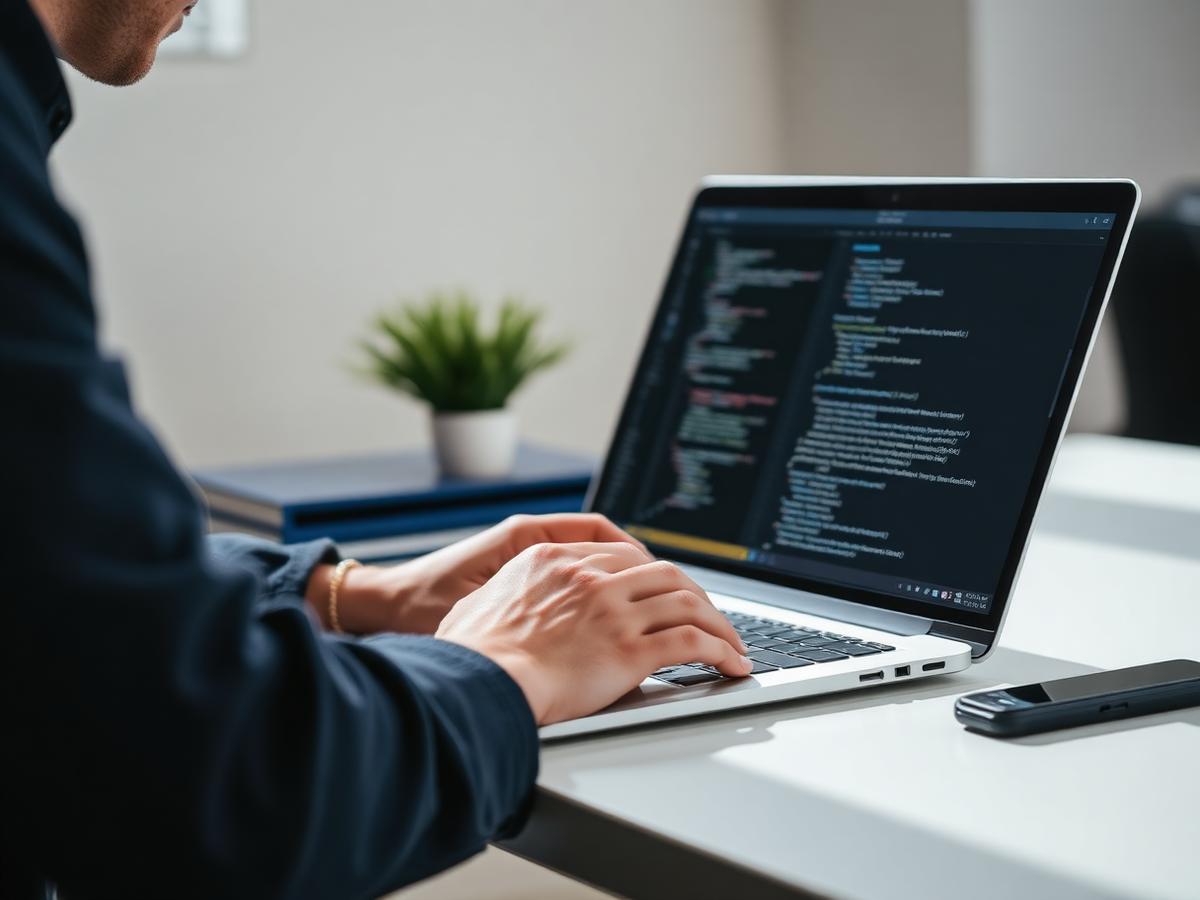
Custom development starts with the workflow: who performs which step, what information is required, where errors currently occur, and which rules must be enforced. From there we design the data model and the interfaces, then build the system in increments you can review.
Web application development
We build browser-based applications for internal teams and external users: dashboards, customer portals, administrative back offices and content-driven sites. Accessibility, responsive layout and performance are treated as part of the requirements rather than later additions.
Component structure, state handling and routing organised so features can be added without rewrites.
Layouts verified across small, medium and large viewports, including keyboard-only navigation.
Semantic markup, meaningful text alternatives, visible focus states and sensible heading order.
Image sizing, lazy loading of below-the-fold media and restrained client-side work.
Cloud and infrastructure
Software behaves the way its environment allows. We configure hosting, build pipelines, environment separation, backups and monitoring so that deploying a change is a normal, reversible operation rather than an event.
Separate development, staging and production environments
Automated build and deployment steps
Configuration and secret handling kept out of source code
Logging and monitoring with actionable alerts
Integration and automation
Reading and writing data through documented interfaces, with authentication, retries and error handling designed in.
Scheduled or event-driven transfers that keep records consistent between applications and reduce duplicate entry.
Validation rules, approvals, notifications and generated documents that follow your existing procedure.
Integration work begins with a map of the systems involved, the direction data travels and what should happen when a transfer fails. Failure handling is part of the design, because integrations depend on services outside your control.

Software quality and testing
Testing is planned alongside development rather than appended at the end. We concentrate automated coverage on the behaviour that carries the most risk, and use manual review where human judgement is required.
Security-conscious development
Access decisions enforced on the server, not merely hidden in the interface.
Data validated at boundaries, with parameterised queries and strict typing where possible.
Third-party packages reviewed and updated, with known-vulnerable versions replaced.
Collecting and retaining only the information a feature genuinely requires.
Security is treated as an engineering discipline applied continuously throughout development. We describe the practices we follow rather than claiming any system can be made immune to risk.
Delivery process
01
We work through the problem, the people involved, the data available and the constraints that shape a realistic solution.
02
Scope, architecture, integration points and delivery order are documented so decisions are visible before code is written.
03
Work proceeds in reviewable increments, each one demonstrable, tested and small enough to change direction if needed.
04
Automated and manual checks confirm behaviour against the agreed requirements before anything reaches production.
05
Deployment, configuration notes and documentation are prepared so the system can be operated and extended.
06
After release, we monitor behaviour, resolve issues and adjust the system as real usage clarifies what matters.
Collaboration and communication
Technical work goes wrong most often through misunderstanding, not through code. We keep a single written description of scope, share progress in reviewable increments, and explain trade-offs in terms of cost, risk and effect on the people using the system.
Requirements and decisions kept in one place, updated as they change.
Working software shown early, so feedback arrives while it is inexpensive to apply.
Alternatives and their consequences described before a direction is fixed.

Maintenance and improvement
Investigating reported issues, reproducing them and correcting the underlying cause.
Keeping frameworks and libraries current so security patches can be applied.
Watching logs, errors and performance to find problems before users report them.
Adjusting features as usage patterns and business requirements evolve.
Frequently asked questions
Custom business applications, web platforms, integration work between existing systems, automation of manual processes, and technical maintenance of software already in use.
Scope is defined during discovery and technical planning. Requirements, integration points and delivery sequence are written down so both sides work from the same description of the system.
Yes. Existing systems are reviewed before changes are proposed, so that new work fits the current architecture, data model and deployment setup.
Through code review, automated tests around important behaviour, manual verification of user-facing flows, and repeatable deployment steps that reduce release risk.
Maintenance can continue: dependency updates, defect correction, monitoring of production behaviour and incremental improvements based on how the software is actually used.
Enquiries about IT projects, technical requirements or services can be sent by email to meganwashington96@gmail.com.
Contact information
Enquiries about IT projects, technical requirements or any of the services described on this website can be sent by email. Contact details are shown here as plain text.